
Reviewed · WALKING TOURS
Nassau: Cultural Walking Tour of Downtown Nassau Attractions
Nassau’s best stories are tucked behind its busy cruise-port streets, and this three-hour cultural walk gets you into the city’s historic core quickly. You’ll climb to Queen’s Staircase and Fort Fincastle, then move through museums, tasting rooms, the Straw Market, and Parliament Square with a local guide such as Charles, George, or Richie.
I like the mix of major landmarks and small local stops, especially the National Art Gallery, Educulture Museum, Graycliff Chocolatier, John Watling’s Distillery, and Tasty Teas. I also like that the pace can be gentle, with guides taking time for questions and adjusting to the group. The main drawback is simple: this is a real walking tour, with hills, stairs, heat, and little shelter, so it is not a good match for anyone with mobility limits.
At a glance
- Climb 66 steps at Queen’s Staircase: Learn how enslaved workers cut the limestone staircase in the 18th century.
- See Nassau from Fort Fincastle: Reach the top of Bennet’s Hill for a city view and a look at an 18th-century defensive fort.
- Pair art with Junkanoo culture: Visit the National Art Gallery of The Bahamas and the Educulture Museum.
- Enjoy several tastings: Sample locally made chocolate, rum, wine, and Bahamian bush teas.
- Finish in Nassau’s civic center: Explore Rawson and Parliament Square, with colonial buildings and statues nearby.
- A practical cruise-port choice: The meeting office is about a three-minute walk from the pier.
Why this Nassau walk is worth your morning
At $55 per person, this tour offers more than a standard stroll past the usual downtown sights. Your fee covers museum entrances, bottled water, and audio headsets, while the route adds several tastings that would otherwise require separate stops.
The value is strongest if you want a quick introduction to Nassau without arranging taxis between sights. In three hours, you cover the upper town, the historic center, cultural museums, shops, and several food or drink stops. You also get the benefit of a guide who can connect the places instead of leaving you to read plaques on your own.
This is not a private tour, and the exact feel depends on the guide and the group. Charles appears frequently as the guide, with George, Richie, Ricky, Stephen, and Don also leading tours. The strongest pattern is a warm, humorous style, with plenty of local detail and time for questions.
The tour carries a 4.7 rating from 192 reviews, with especially strong praise for the guides’ storytelling, patience, and sense of humor. That matters here. Nassau’s sights are interesting, but the links between slavery, colonial rule, piracy, local government, Junkanoo, and modern Bahamian life are what give the walk its purpose.
More walking tours in Nassau & Paradise Island:
- Bites of Nassau Food and Walking Tour
★ 5.0 · 3,168 reviews - Rum Tasting and Food Walking Tour in Nassau Bahamas
★ 5.0 · 1,030 reviews - Dilly Dally Walking Tour of Nassau Attractions
★ 5.0 · 341 reviews
Starting near Bay Street and East Street
The tour begins at Dilly Dally Bike Tours’ office at the intersection of Bay Street and East Street. If you arrive by cruise ship, you should allow only about three minutes from the port, assuming you walk directly from the pier and clear the security area.
From the terminal, use the eastern exit gates and walk east along Woodes Rodgers Walk. The route turns right and becomes East Street. The office is near the corner, across from the Central Police Station. The supplied directions describe it as a white building with gray tiles, though one past participant found the location easier to identify by the corner and the bike-tour sign.
That is a useful tip: look for the activity provider’s name on the sign, and do not be confused if you see bicycle-tour branding. You will sign in, receive bottled water, and use an audio headset during the walk.
Wear comfortable shoes with good grip. You will be outside for most of the experience, and Nassau’s sun can make a moderate route feel harder than the distance suggests. The tour runs in rain unless conditions are unsafe, so a light rain layer is sensible.
Queen’s Staircase and the climb through Nassau
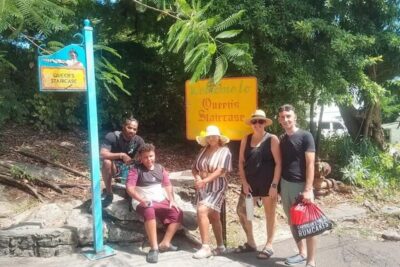
The first major climb leads up Elizabeth Avenue to Queen’s Staircase. You get about 15 minutes here, enough to photograph the limestone steps and hear the basic story behind them without turning the stop into a long lecture.
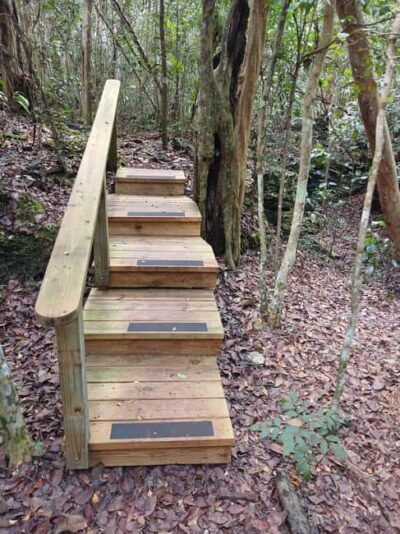
The staircase has 66 steps and dates to the 18th century. Enslaved workers cut it by hand, and its later association with Queen Victoria reflects the British abolition of slavery in the Bahamas. The stop is visually striking, but it also calls for a clear-eyed explanation of the labor behind the monument.
This is one place where a local guide adds real value. The staircase can look like a pretty photo stop if you visit alone. With context, you see it as both an engineering feat and a reminder of the people whose forced labor shaped Nassau.
The climb is manageable for many people, but it is still a climb. If you need regular rests or have trouble with steps, you should think carefully before booking. The guide may keep the pace comfortable, but the route cannot remove the stairs.
The Water Tower and Bennet’s Hill
A short walk farther up Elizabeth Avenue brings you to Nassau’s 126-foot Water Tower. The stop lasts about five minutes, so expect a quick look and an explanation of its role in supplying New Providence with water during the early 20th century.
The tower is not the sort of sight that usually makes a postcard, but it helps you see Nassau as a working city rather than only a colonial port. Its presence also gives the uphill section a practical purpose, breaking the climb into smaller pieces.
Next comes Bennet’s Hill and Fort Fincastle, where you spend about 15 minutes. The fort dates from the late 18th century and was built to help protect Nassau from pirates. Its elevated position is the main attraction today, giving you a useful view over the city.
Fort Fincastle is compact, so do not expect a large castle complex or a long interior visit. The pleasure is in the setting, the military story, and the chance to understand why high ground mattered to Nassau’s defenders.
Bring your camera, but also look beyond the obvious view. The guide can help place the fort within Nassau’s wider story of trade, colonial power, seafaring, and piracy. This is one of the tour’s better examples of a short stop doing several jobs at once.
A few more Nassau & Paradise Island half-days worth weighing up
- Nassau: 3 Islands Tour, Snorkel, Pig Beach, Turtles & Lunch
★ 4.3 · 2,585 reviews - Nassau Island Highlights Sightseeing Tour
★ 4.5 · 1,476 reviews - Pirate Jeep Sightseeing Adventure!
★ 5.0 · 1,307 reviews - Swimming Pigs and Private Beach Club Escape
★ 4.5 · 1,238 reviews
Government House and the colonial story
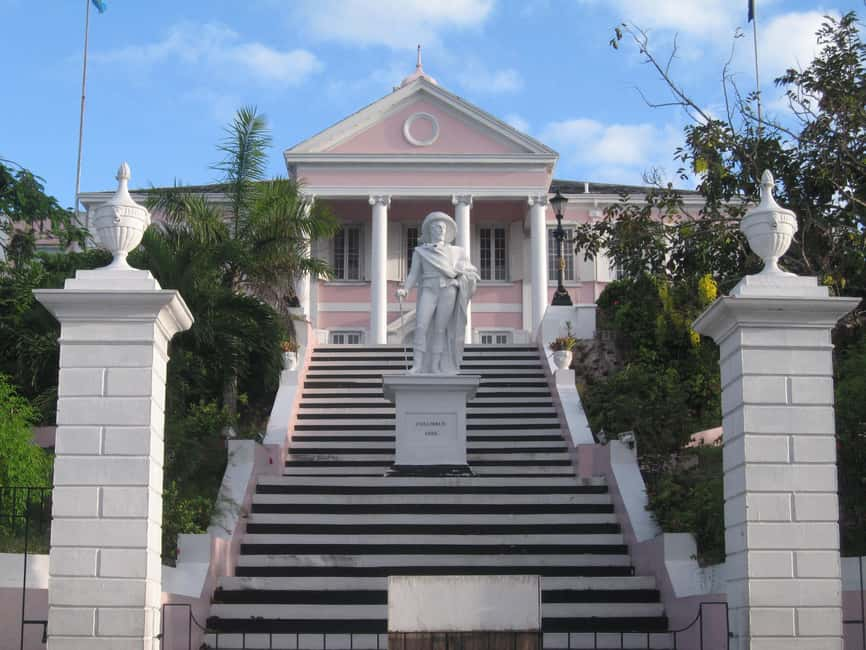
The route continues to the exterior of Government House, the Georgian Colonial-style residence of the Bahamas’ Governor-General. You spend about 10 minutes here, hearing stories connected with the building and its former residents.
Because the stop is outside, the appeal depends on your interest in architecture and government. You will not get the same kind of experience as an interior tour, but the building helps explain how British colonial authority appeared in Nassau’s streets.
I appreciate that the walk does not treat colonial architecture as decoration only. The route also visits places connected with slavery, local government, and the transition from colonial rule to the modern Bahamas. That broader frame keeps the pretty facades from becoming the whole story.
You will have time for photos, but do not expect a long pause at every landmark. The tour packs in a lot, and the guide has to keep the group moving toward the later museum and tasting stops.
Chocolate, wine, and rum along the way
One of the tour’s most enjoyable changes of pace is a stop at Graycliff Chocolatier. You can sample locally made chocolate, which gives the walk a small but welcome taste of contemporary Bahamian food culture.
The tasting is included in the general flow of the tour, but food and drinks are otherwise not listed as included. That means you should not assume every item available at a stop is covered. If you want to buy more chocolate or drinks, carry a little extra spending money.
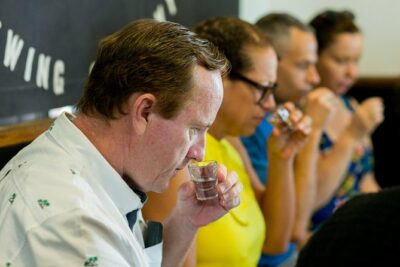
At John Watling’s Distillery, you may sample rum and tour the facility. This stop adds a modern craft-production angle to a route otherwise heavy on forts, monuments, and colonial buildings. It is also a good chance to ask questions about Bahamian rum and how the site functions today.
The tour also includes wine and chocolate in its tasting sequence, according to the experience details and past tour descriptions. Exact offerings can vary, so think of these as tasting opportunities rather than a full meal or formal food tour.
Do not book this walk expecting lunch. The tastings are pleasant additions, but they will not replace breakfast. Eat beforehand, especially if you are sensitive to alcohol in the heat.
Art at the National Art Gallery
The National Art Gallery of The Bahamas is one of the tour’s most worthwhile stops. You will have a chance to see Bahamian art in a proper gallery setting, moving beyond the usual fort-and-shopping version of Nassau.
This visit gives you a better sense of how Bahamian identity is expressed by local artists. It also provides a cooler, quieter break after the outdoor climb. If you like art, allow yourself to focus here rather than treating the museum as a quick box to check.
The gallery is closed on Mondays and national holidays. On those days, the tour replaces it with another cultural point of interest. That keeps the overall theme intact, but you should not book on a Monday expecting access to the National Art Gallery itself.
Museum entry is included in the $55 price, which improves the value. You are not paying separately at each cultural site, and you avoid having to figure out which places fit into a short port visit.
Educulture and the story of Junkanoo
The Educulture Museum shifts the focus from fine art to living Bahamian tradition. Here you learn about Junkanoo, the Bahamas’ colorful festival tradition, and the work, music, costumes, and history behind it.
This is an important part of the route because Junkanoo is not just a show for visitors. It connects community, creativity, music, competition, and memory. The museum helps you see the festival as part of Bahamian life rather than a quick performance attached to a cruise excursion.
The stop is especially useful if you want more than architecture and pirate tales. Nassau’s culture is not locked in the colonial past, and Educulture helps bring the present-day Bahamas into the tour.
Together, the National Art Gallery and Educulture provide the strongest cultural balance on the route. One centers visual art, while the other explains a tradition built through performance and community participation.
Bush teas at Tasty Teas
At Tasty Teas, you learn about Bahamian bush teas and traditional medicines. This may be a short stop, but it offers a different kind of local knowledge than the museums and forts.
The subject is practical and tied to household traditions. You get a glimpse of how plants and home remedies have formed part of everyday life in the Bahamas. It is the sort of detail you might miss if you only visited the major monuments.
This is also a good place to ask questions. The guides are often praised for answering questions beyond the formal route, and several have a conversational style rather than delivering a rigid script. Charles, in particular, is frequently described as adding personal stories and extra facts as the group walks.
The Straw Market and Parliament Square
The Nassau Straw Market provides a brief shopping break and a quick introduction to one of the city’s best-known commercial traditions. You can browse handmade goods and souvenirs, though the stop is not designed as an extended shopping session.
Keep your expectations sensible. The market is a busy retail stop, and bargaining or browsing can take more time than the schedule allows. If you want to shop seriously, return after the tour, assuming your cruise departure or other plans give you enough time.
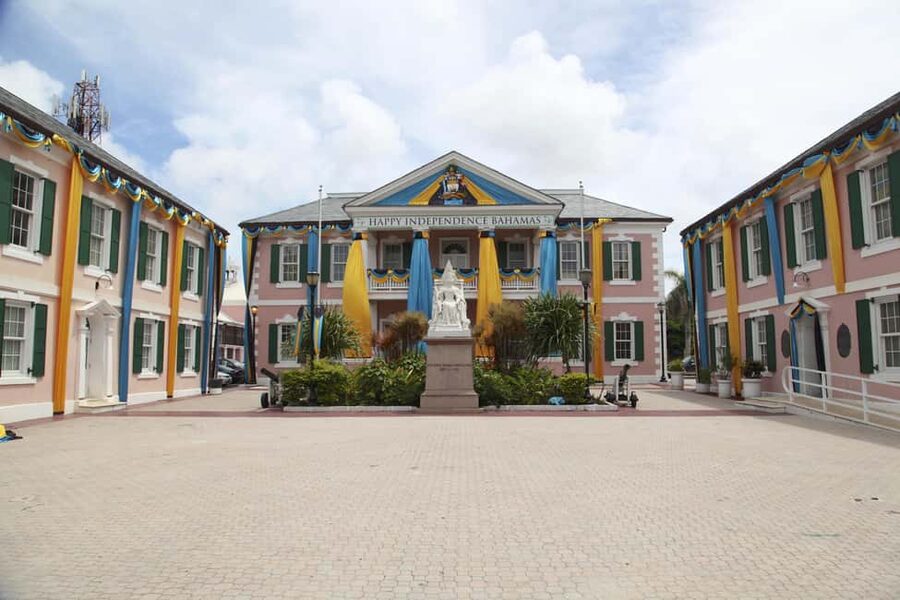
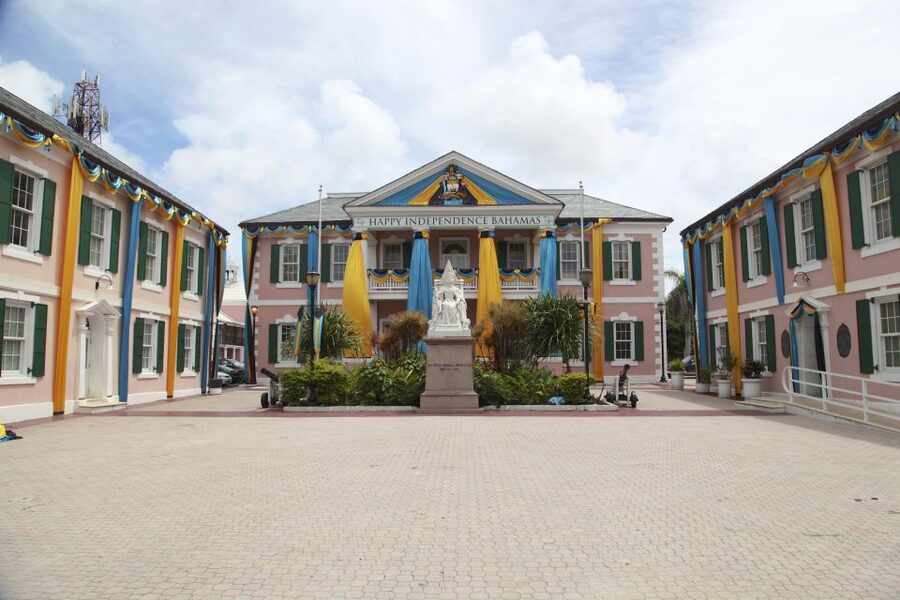
The final stop is Rawson and Parliament Square. This is a fitting place to finish because the square brings together buildings, statues, and stories from the colonial era through the present day.
By this point, you have seen Nassau from several angles: defensive hilltop, colonial administrative center, art museum, festival museum, shopping district, and working city. The square helps tie those threads together, especially if you are interested in how the Bahamas developed its own political identity.
Pace, heat, and mobility
The tour is advertised as three hours, though one past description puts it closer to two and a half to three hours. That small variation is normal for a walking route with questions, photo stops, and a group moving at different speeds.
Several guides are praised for keeping a comfortable pace. One participant in their seventies finished without feeling worn out, while another noted that the tour was demanding on a very hot day. Both points can be true. The pace may be gentle, but Nassau’s heat, stairs, and uphill sections still require effort.
The experience is specifically not suitable for people with mobility impairments. That is not a minor footnote. Queen’s Staircase, Bennet’s Hill, uneven city streets, and several hours on foot make this a poor fit if you need step-free access or frequent seating.
Bring water, sun protection, and a hat. Bottled water is included, but you should not depend on one bottle for a hot morning. The tour takes place rain or shine unless the guide decides conditions are unsafe.
Who should book this walk?
I would choose this tour if you are visiting Nassau for the first time and want a broad introduction in one morning. It suits cruise passengers especially well because the meeting point is close to the port and the route ends in the center of the city.
It is also a good choice if you prefer conversation and local stories over a large bus excursion. The guides have been praised for being friendly, funny, patient, and willing to answer questions. Charles is often singled out, but the provider uses several guides, so you should not assume he will lead every departure.
Families and mixed-age groups can enjoy it if everyone is comfortable walking in the heat. The guides appear willing to slow down for photos and different walking speeds, but the route still requires a reasonable level of fitness.
You may want another option if your main goal is beach time, duty-free shopping, or a relaxed food experience. The tastings are a bonus, not the central purpose. And if you dislike scheduled group walks or prefer to linger at museums, three hours may feel tightly planned.
Cancellation is free up to 24 hours before the start, and you can reserve now and pay later. Those terms are useful if your port schedule is not yet settled.
Should you book it?
Book this Nassau walking tour if you want history, local culture, light tastings, and major downtown sights in one well-packed outing. At $55, the included museum admissions, water, audio headsets, guide, and several tastings make it a fair deal, especially for a first visit or a short cruise stop.
Skip it if stairs, heat, or three hours of walking will get in the way. For everyone else, this is a practical way to see more than the cruise-port strip and to leave Nassau with a clearer sense of the place behind the postcard.
FAQ
How long does the Nassau cultural walking tour last?
The stated duration is three hours. Some descriptions place the actual time closer to two and a half to three hours, depending on the group and the stops.
Where does the tour begin?
It begins at the activity provider’s office at the intersection of Bay Street and East Street in downtown Nassau. The office is near the Central Police Station and has a sign showing the provider’s name.
How far is the meeting point from the cruise port?
The meeting point is approximately a three-minute walk from the port. After leaving the security area, use the eastern exit gates and walk along Woodes Rodgers Walk toward East Street.
Which sights are included?
The route includes Queen’s Staircase, the Water Tower, Fort Fincastle, the exterior of Government House, the National Art Gallery of The Bahamas, Educulture Museum, John Watling’s Distillery, Tasty Teas, the Straw Market, Rawson Square, and Parliament Square.
Are museum entrance fees included?
Yes. Museum entrance fees, bottled water, and audio headsets are included in the tour price.
Is the National Art Gallery open every day?
The National Art Gallery is closed on Mondays and national holidays. On those dates, the tour replaces it with another cultural point of interest.
Is the tour suitable for people with mobility impairments?
No. The tour is not suitable for people with mobility impairments because it involves several hours of walking, uphill sections, and the 66 steps of Queen’s Staircase.
Just added around Nassau & Paradise Island
- Private Beach Day / 50ft Sun Seeker or 33ft Boat / 1-10 Guests★ 5.0 · 5 reviews
- Private 4-Hour Rose Island charter Snorkeling Turtles & Beaching★ 5.0 · 41 reviews
- Private SUV One-Way Airport Ride with 30min (Grocery&Liquor stop)★ 4.5 · 24 reviews
- Unlimited Water Sports Package★ 3.0 · 3 reviews
- Bahamas Unlimited Full Day Water Sports Package At Junkanoo Beach★ 4.5 · 20 reviews
- Atv Rentals. Nassau,ParadiseIsland HALFDAY(free pickup included)★ 5.0 · 8 reviews
- Nassau: Rose Island Perfect Beach Day Group Getaway★ 4.5 · 21 reviews
- Swimming Pigs & ATV Tour★ 5.0 · 4 reviews
Walking Tours, compared.

Rum Tasting and Food Walking Tour in Nassau Bahamas
Read our review →


Browse the lists this tour appears in